Help build a healthcare system that respects Cultural Medicines
For Aboriginal and Torres Strait Islander peoples, Cultural Medicines are not alternative or optional — they are part of long-held systems of healing, knowledge, care, and connection to culture and Country. Yet across Australia, many people who want to access Cultural Medicines still face barriers, and the health system often lacks clear guidance for how Cultural Medicines can be safely and respectfully supported in care. Research led by Dr Alana Gall has found that more than 90% of Indigenous people would like access to Cultural Medicines, but access is limited. It also found that Cultural Medicines are largely absent from the national policies that guide healthcare practice.
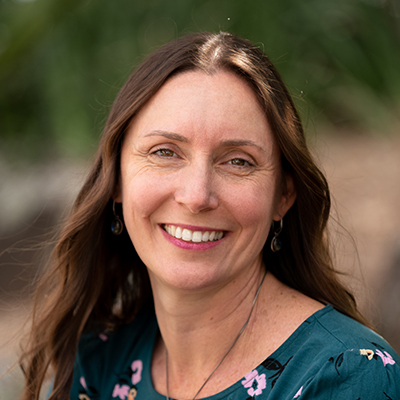
Dr Alana Gall

Dr Alana Gall is a Truwulway and Litamirimina woman from the E/NE coasts of Lutruwita (Tasmania), an NHMRC Emerging Leadership Fellow, and Senior Lecturer in Indigenous Traditional Medicine at the National Centre for Naturopathic Medicine, Southern Cross University. Her work focuses on First Peoples’ Cultural Medicines, cultural safety, Indigenous governance, and the protection of Indigenous knowledge in health systems and policy. Her broader innovation work in this area has already received international recognition through the World Health Organization’s 2025 Health Heritage Innovations Open Call.
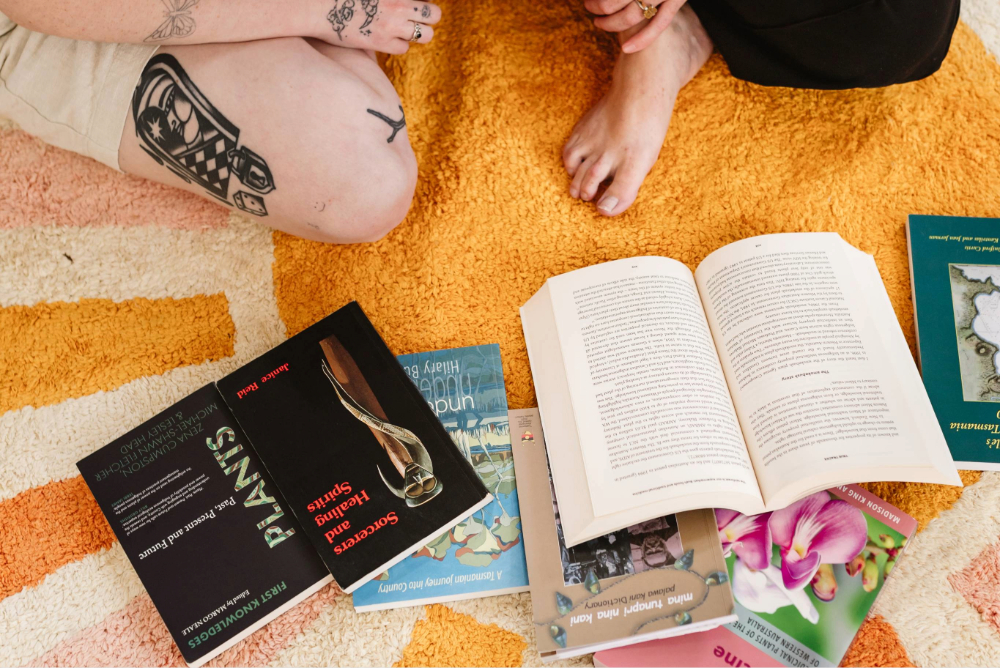
"We need cultural medicines to be integrated into mainstream healthcare, while also doing the work to define, understand and protect the knowledge that underpins them. These medicines connect Indigenous People to culture from the beginning of time and have a profound impact on the cultural determinants of health."
Cultural Medicines. Community control. Better care.
This project, developed in partnership with NACCHO, is creating practical, Indigenous-led Cultural Medicines Guidelines for Aboriginal Community Controlled Health Organisations and the wider health sector. Built on a four-year co-design project, the Guidelines are intended to support safe practice, strengthen community control, and help define what respectful care looks like when Cultural Medicines are discussed, offered, referred to, or supported alongside other care. NACCHO’s Cultural Medicines program is already developing resources, tutorials, and a Cultural Medicines database; these Guidelines are a critical next step in building a stronger, safer system.
Why this matters now
At present, many health professionals have little or no guidance on what to do when patients are using, or want to use, Cultural Medicines. In Dr Gall’s policy review of 52 national health policies, only nine mentioned Cultural Medicines at all. That gap leaves too much responsibility on Aboriginal and Torres Strait Islander health workers, creates uncertainty for services, and can make care less culturally safe for communities.
These Guidelines aim to change that by providing practical, community-informed guidance grounded in Indigenous governance, co-design, and cultural safety. They are intended to help protect knowledge, support consistent and respectful practice, strengthen workforce capability, and reduce the risk of unsafe or extractive engagement with Cultural Medicines.
Your support, real impact
With your support, this work can help build a health system that better recognises and respects Cultural Medicines on Indigenous terms. Your donation will help advance Guidelines that keep decision-making with community, support Aboriginal Community Controlled Health Organisations, and create clearer pathways for culturally safe care.
This work goes beyond a single output. It is about building a living Cultural Medicines hub—an accessible, evolving platform with practical resources and tools that support real-world change. It will equip health professionals with the guidance they need, strengthen access to culturally valued healing practices, and ensure Indigenous knowledge is supported without compromising community authority.
A more just future for healthcare
When Cultural Medicines are ignored, health systems miss something fundamental. When they are respected, protected, and supported properly, communities are better placed to access care that reflects who they are, where they come from, and what wellbeing means to them.
Your gift can help make that future possible.
Donate today and help build an Indigenous-led future for research and development with Australian native plants.
Share this page
More stories of impact

Support Indigenous-led research
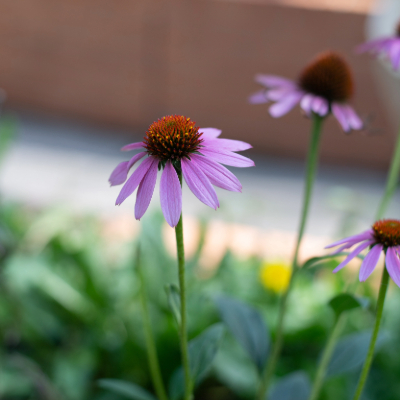
Help grow our Medicinal garden